Accessibility · Assisted living · Dementia-friendly
Automation that helps someone stay in their own home for longer.
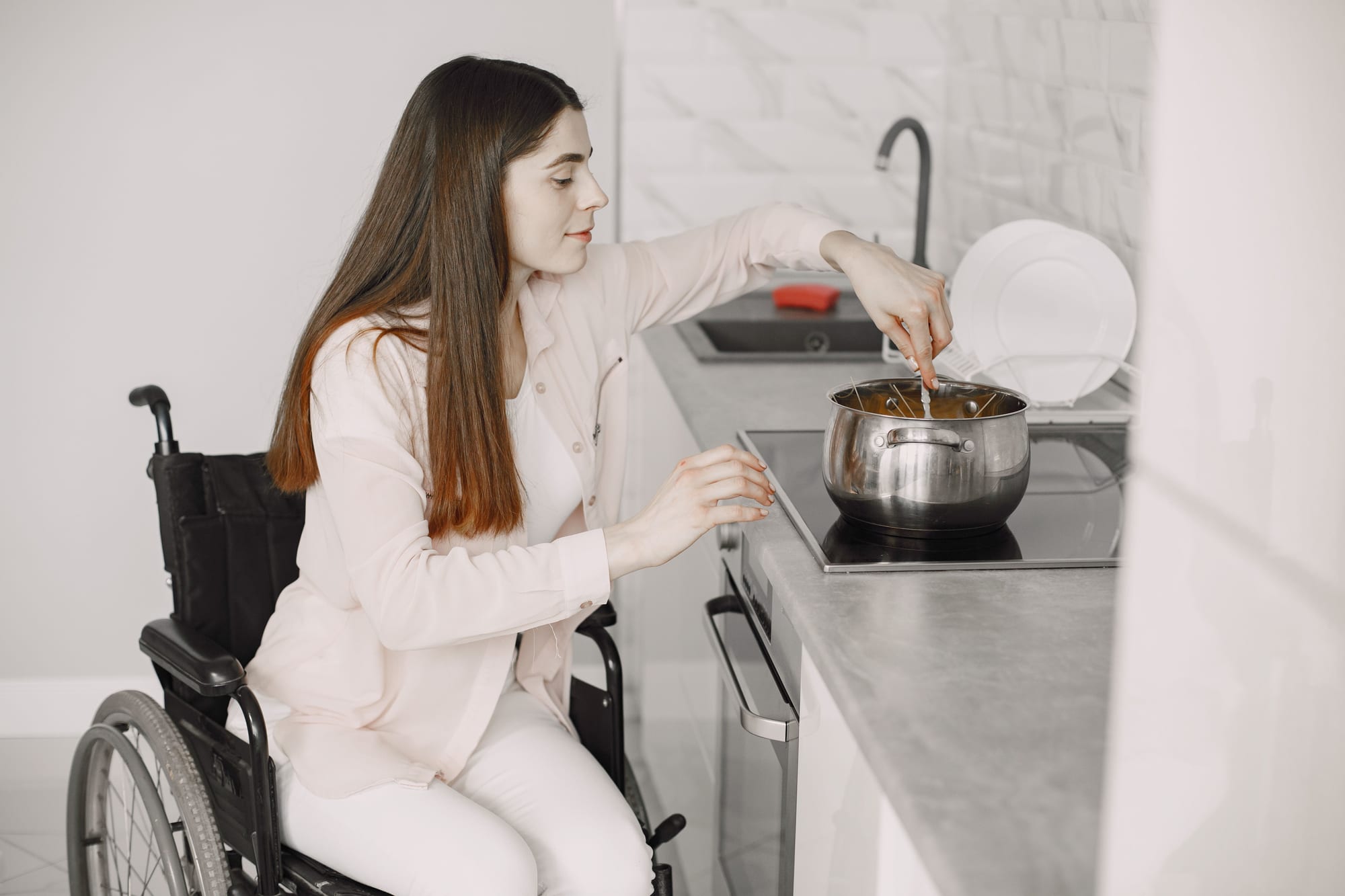
Smart home technology specified for accessibility across the East Midlands — voice and app control, automatic lighting, safe heating limits and discreet monitoring that supports independence rather than replacing it.
Most smart home marketing sells convenience to people who could manage perfectly well without it. The strongest case for this technology is somewhere else entirely: helping someone with limited mobility, failing sight or early cognitive decline stay safely in the home they want to be in, for longer than they otherwise could.
What's included
- Assessment around the individual, not a standard package
- Presence-detected lighting on landings, stairs and bathrooms
- Low-level night lighting on the bed-to-bathroom route
- Voice and app control alongside conventional switches
- Maximum and minimum heating limits for safety
- Load monitoring where cooker or immersion risk is a concern
- Keyless entry for carers, on their own schedule
- Optional activity-pattern reassurance for family
From £3,400
ex-VAT, supplied, installed & commissioned
01 · The design
Specified around a person, not a lifestyle
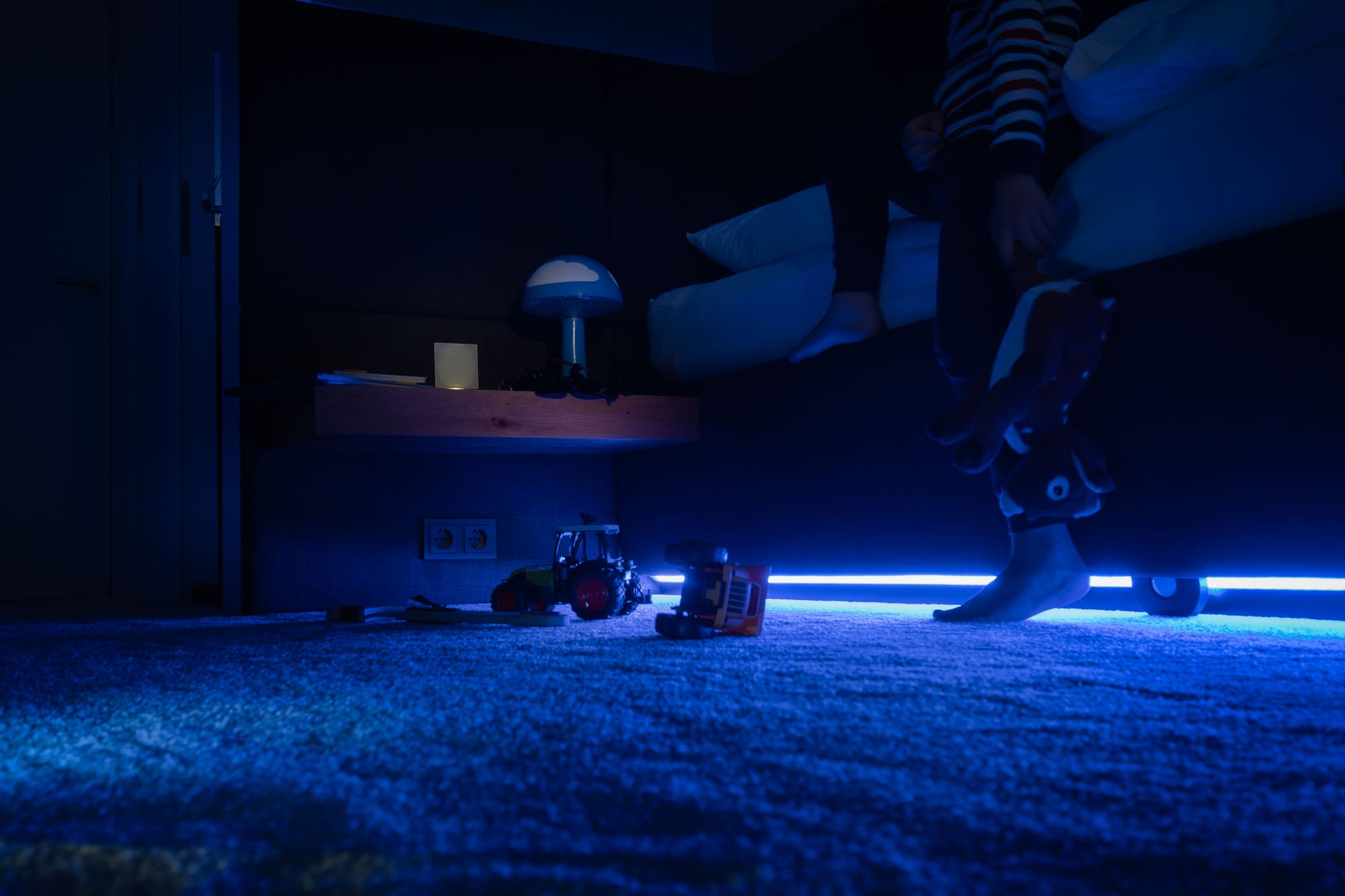
Reaching a switch matters when standing is difficult, so lighting runs on presence detection and voice. Getting up at night is when falls happen, so the route from bed to bathroom lights itself at low level automatically.
Remembering the hob or the immersion is the risk in early dementia, so loads can be monitored and limited. None of this is exotic — it is ordinary automation, pointed at a person's actual day.
- Presence-detected lighting on landings, stairs and bathrooms
- Low-level night lighting on the bed-to-bathroom route
- Maximum and minimum heating limits for safety
- Load monitoring where the cooker or immersion is a concern
02 · Dignity
A house that helps without announcing it
The aim is a home that quietly does the right thing, not one that tells every visitor somebody needs help. In practice that means fewer visible devices rather than more, and no cameras inside living spaces unless the person themselves wants them.
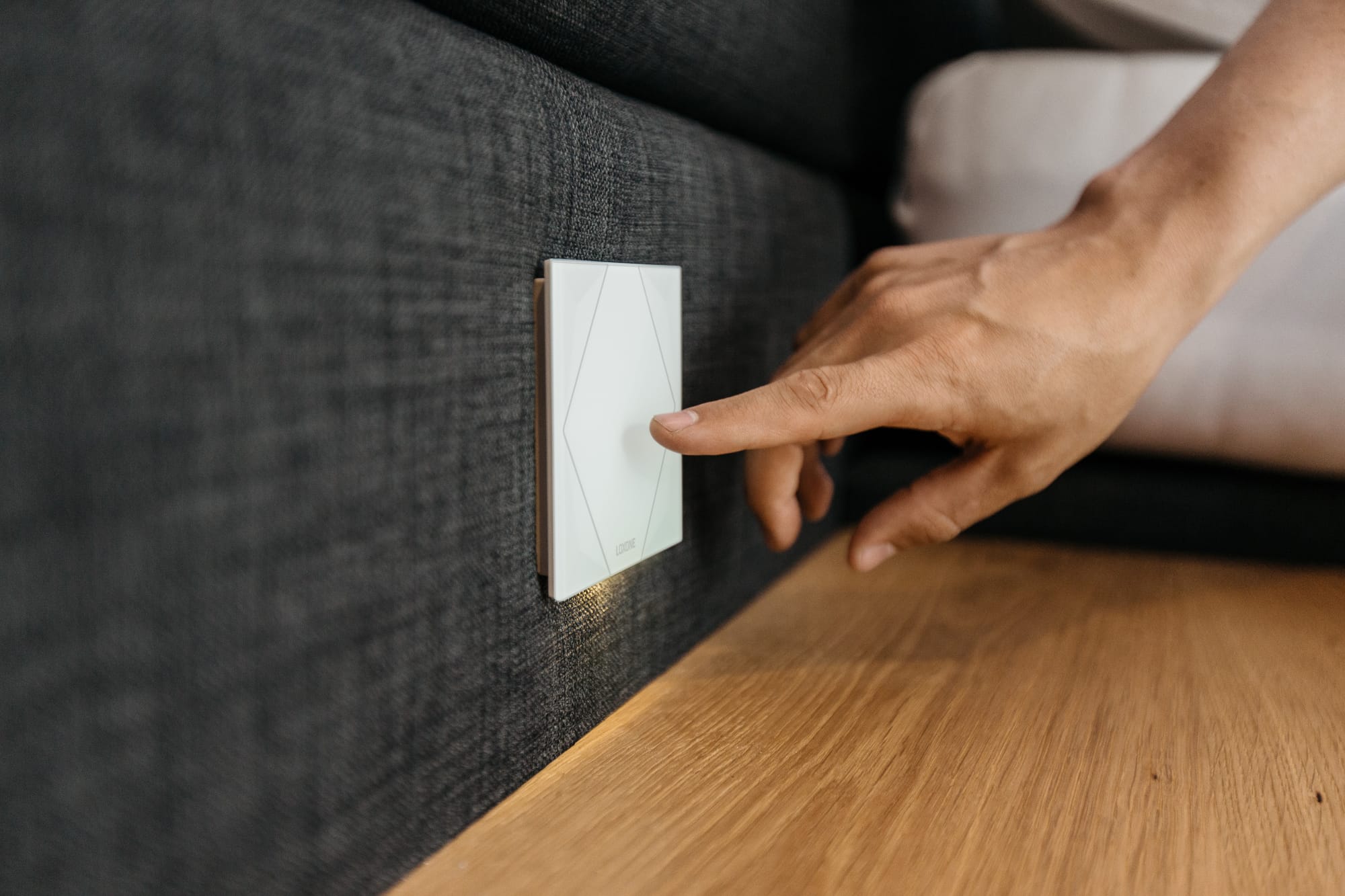
Controls keep working the way they always did. The wall switch still works as a wall switch, because that is what muscle memory reaches for at three in the morning.
- Fewer devices on show, not more
- No indoor cameras unless the person asks for them
- Conventional switches kept alongside voice and app
- Nothing that looks like medical equipment

03 · Family
Reassurance without surveillance
Relatives usually want to know things are normal, not to watch someone. There is a reasonable middle ground: kettle used this morning, bathroom light on overnight, front door opened at the usual time.
Where that line sits is the family's decision. We build to whatever everyone is comfortable with rather than defaulting to maximum monitoring — and the person living there is part of that conversation.
- Activity patterns instead of camera feeds
- Alerts only for what the family actually asked for
- Keyless entry for carers, on their own schedule
- Every monitoring decision made with the resident
One honest note on funding
Local authorities may contribute to home adaptations through a Disabled Facilities Grant, and some equipment qualifies for VAT relief where it is supplied for a disabled person's personal use. Eligibility depends on individual circumstances and on your council.
Speak to your local authority's adult social care team early. We can supply written specifications and quotes in whatever format an assessment requires.
Why it's worth doing properly
Accessible & Assisted Living Automation, done once and done right.
Designed for dignity
A house that quietly does the right thing, not one that announces someone needs help. Usually fewer visible devices, not more.
The wall switch still works
Muscle memory reaches for the switch. It keeps working exactly as it always did — the automation sits behind it.
The night-time route
Low-level lighting from bed to bathroom, triggered automatically. This is where falls happen and where automation helps most.
Safe heating bounds
Minimum and maximum setpoints protect against both cold and overheating when someone can't easily judge or adjust it.
Carer access without keys
Time-limited codes per carer, revocable instantly. No key safe by the door with a code that never changes.
Reassurance, not surveillance
Activity patterns can tell family things are normal without anyone watching a camera. Where that line sits is your call.

Certified installers, never sub-contracted
Same week
Site visit availability across the East Midlands
£0 / mo
No subscription, no cloud fees, ever
12 months
Parts and labour warranty on every install
Works best together
Related services
One Miniserver runs all of it. Most customers combine two or three of these rather than installing them as separate systems.
FAQ
Accessible & Assisted Living Automation — common questions
Can home automation help someone stay living independently?
Is there funding available for accessible home technology?
Do you install cameras inside the house?
Is this suitable for someone with dementia?
Will it be too complicated to use?
What happens if the internet or power fails?
How much does an accessible installation cost?
Where we work
Accessible living across the East Midlands
Next step
Thinking about accessible living?
Free site visit, fixed written quote within 5 working days. No obligation, and no pressure — if a full system isn't right for you we'll tell you.
Book a free site visit