
Granny annexes · Garden annexes · Multigenerational homes
An annexe should feel separate to live in and simple to run.
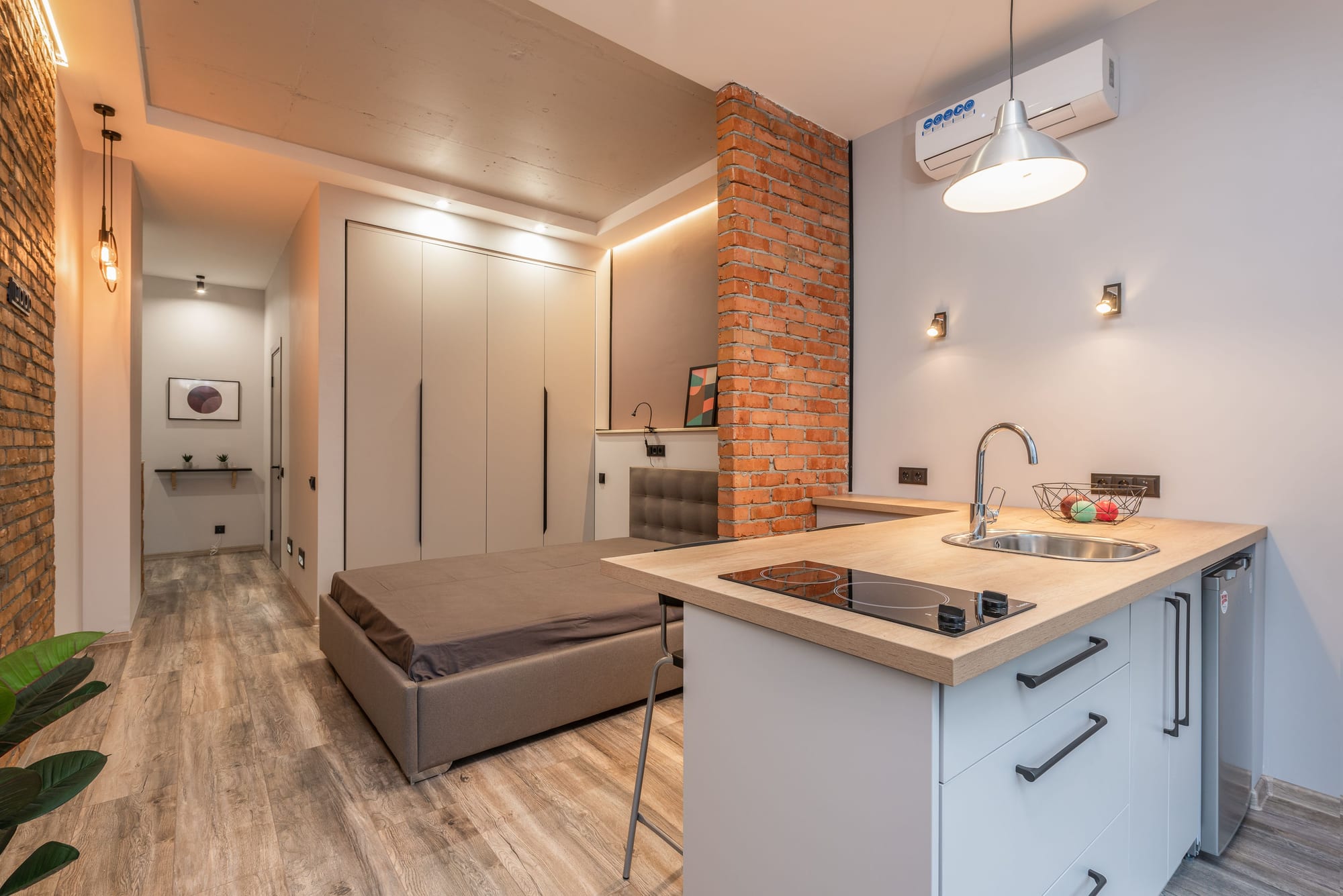
Automation for annexes and multigenerational homes across the East Midlands — independent heating, access and control for the annexe, with one system, one app and one set of bills behind it.
An annexe has a problem no other part of the house has: it needs to feel like somebody else's home while still being part of yours. Whoever lives there wants their own front door, their own heating and their own evening. Whoever owns the property still has to pay the bills, maintain it, and — often — keep half an eye on a relative who has moved in precisely because someone should.
What's included
- Independent heating zones, schedules and targets for the annexe
- Separate entrance access with per-person credentials
- Circuit-level sub-metering so the annexe cost is a number
- Lighting designed for a compact, single-aspect space
- Presence-based lighting on the route to the bathroom
- Optional activity-pattern reassurance, agreed with the resident
- One Miniserver serving both dwellings, one app
- Solar, battery and EV shared sensibly across the property
From £6,000
ex-VAT, supplied, installed & commissioned
01 · Independence
Their heating, their door, their evening
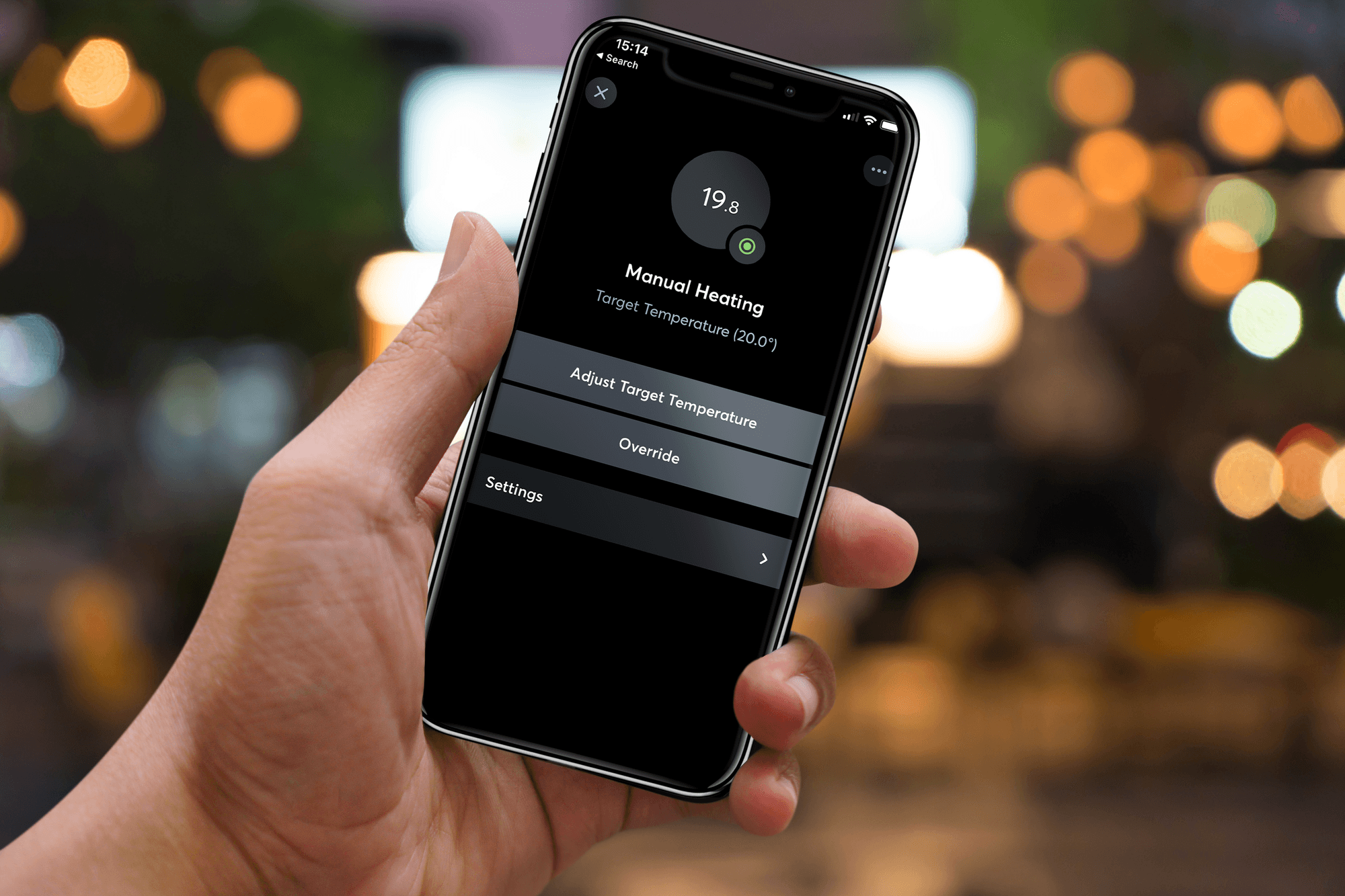
The annexe runs its own schedules and its own targets, set by the person living in it, not inherited from the main house. Their front door has its own credentials. Their lighting and audio are theirs.
Nothing about the day-to-day requires asking someone in the main house to change something, which is the difference between an annexe and a spare room with a kettle.
- Separate heating schedules and targets
- Own entrance with its own credentials
- Independent lighting, audio and scenes
- No shared thermostat to argue over

02 · Oversight
Knowing without watching
Where a relative has moved in for reassurance, there is a middle ground between nothing and a camera. Kettle used this morning, annexe door opened at the usual time, heating actually running when it is cold.
Where that line sits is the family's decision, and the person living in the annexe is part of it. We build to what everyone agreed rather than defaulting to maximum monitoring.
- Activity patterns instead of camera feeds
- Alerts only where the family asked for them
- No cameras or microphones inside the annexe
- The resident is part of the decision
03 · Bills
One supply, two households, one awkward conversation
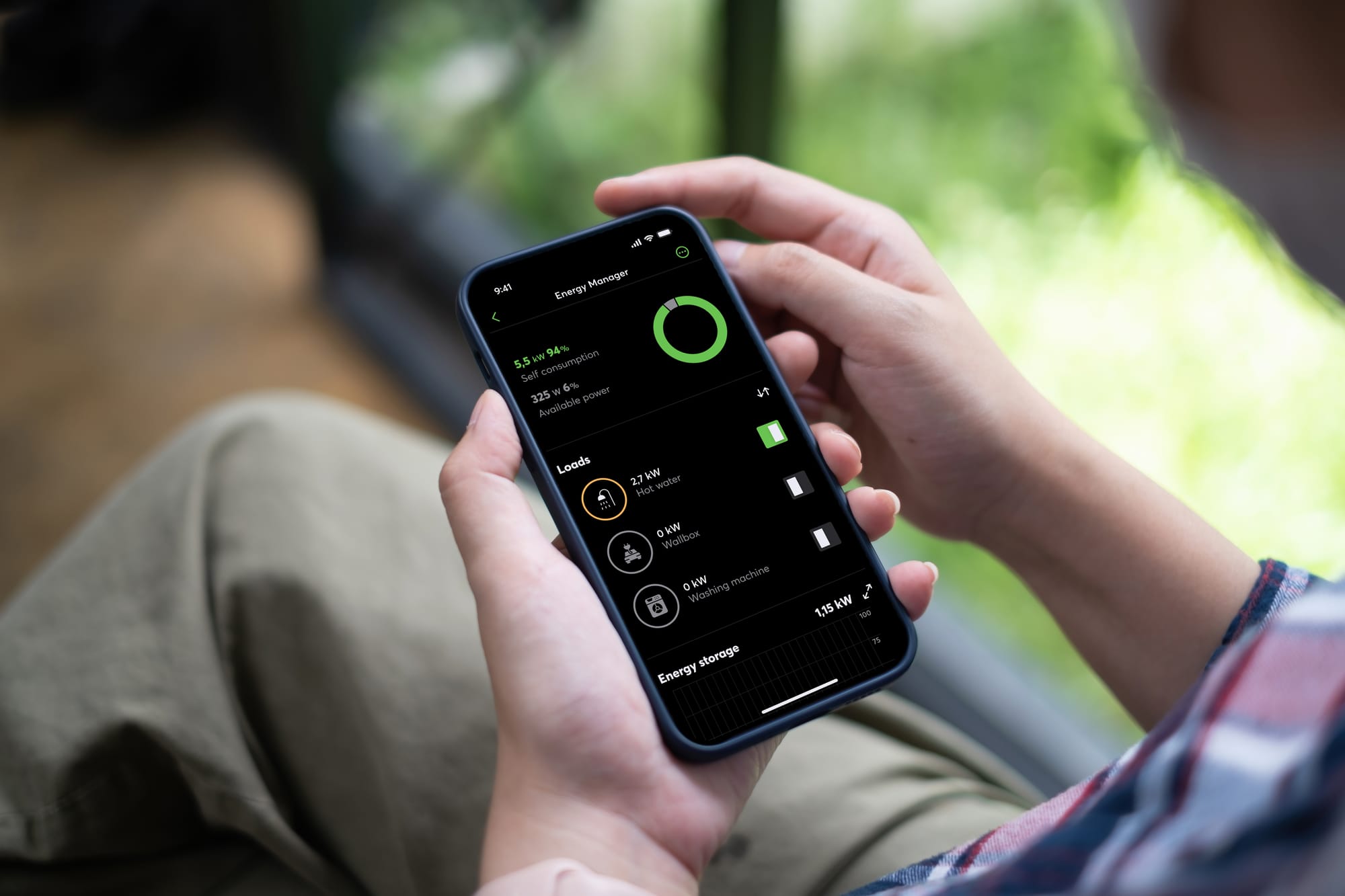
An annexe is usually on the main property's supply, which makes 'what do we contribute?' a guess. Sub-metering the annexe circuits turns it into a number.
It also shows up the thing that quietly costs the most: an annexe heated to 22°C all day because somebody at home is cold, on a building with a much worse surface-to-volume ratio than the main house.
- Circuit-level sub-metering for the annexe
- A real figure instead of an estimate
- Heating cost visible per room
- Solar and battery shared sensibly across both
Planning, council tax and building regulations
Annexes have their own planning position — ancillary use, occupancy conditions and, in some cases, a separate council tax band. A self-contained annexe also has its own Building Regulations requirements for fire separation, escape and, where relevant, sound insulation.
None of that is affected by automation, and none of it is our territory. Your architect or building control officer is the right person to ask, early — before layout decisions get made around it.
Why it's worth doing properly
Annexe & Multigenerational Automation, done once and done right.
Genuinely separate to live in
Own door, own heating, own evening. Nothing that needs permission from the main house to change.
One system behind it
Two households, one Miniserver, one app and one installer. Not two systems that ignore each other.
The bill stops being a guess
Sub-metering the annexe circuits turns "what should we contribute?" into a figure everyone can see.
Reassurance without surveillance
Activity patterns tell a family things are normal. No cameras or microphones inside the annexe.
Built for the person moving in
Presence lighting on the night-time route, safe heating bounds, and switches that still work as switches.
Adapts as needs change
An annexe let out in five years needs different access and different limits. That is programming, not rewiring.

Certified installers, never sub-contracted
Same week
Site visit availability across the East Midlands
£0 / mo
No subscription, no cloud fees, ever
12 months
Parts and labour warranty on every install
Works best together
Related services
One Miniserver runs all of it. Most customers combine two or three of these rather than installing them as separate systems.
FAQ
Annexe & Multigenerational Automation — common questions
Can the annexe have completely separate heating control?
Can we see what the annexe costs to run?
Is this the same as a full smart home for the annexe?
Can we monitor an elderly relative living in the annexe?
What if we let the annexe out later?
Do we need planning permission or a separate council tax band?
How much does annexe automation cost?
Where we work
Annexes across the East Midlands
Next step
Thinking about annexes?
Free site visit, fixed written quote within 5 working days. No obligation, and no pressure — if a full system isn't right for you we'll tell you.
Book a free site visit