
A new build is the easiest house in Britain to automate and the hardest one to get access to. Everything about the construction is in your favour — open walls, a fresh consumer unit, no historic fabric. What is not in your favour is that it belongs to somebody else until completion.
The list
If you have reserved off-plan, this is what to ask for, and it is shorter than people expect. You are asking for routes, not for a system.
- Cat6 to the TV positions, the study and the loft. Four to six runs back to a sensible central point. Not Wi-Fi extenders — cable.
- Containment to the garage, loft and any outbuilding. A conduit costs almost nothing now and is close to impossible later.
- Deeper back boxes at the two or three switch positions that matter most, usually the main living space and the hall.
- Spare ways and physical space in the consumer unit. This one is free and it is the one most often refused by accident.
That is it. No hardware, no brand, nothing that commits the developer to anything unusual.
Why they will probably say no
The electrical package was priced eighteen months ago by someone who has never met you. Varying it means a variation order, a conversation with the M&E subcontractor, and a site manager taking on risk for no reward.
Some developers will allow a third party on site at first fix under supervision. Most will not let anyone through the door before completion, and a few will not discuss it at all. None of that is unreasonable from where they are standing — it is just how volume housebuilding works.
Ask anyway, ask the week you reserve, and get the answer in writing. A yes saves you thousands. A no costs you nothing to have asked.
The plan when they say no
New builds are still the easiest retrofit going, which is the part people miss when they are told no.
Plasterboard is on dot-and-dab, so there is a void behind it. Lofts are accessible and usually empty. The consumer unit is modern and has room. There is no lath and plaster, no bitumen, no century of previous rewires to work around.
So the fallback is not a bad outcome. It is a survey after completion and a plan built around what the construction actually gives us.
The window that matters most
Between getting your keys and moving in properly.
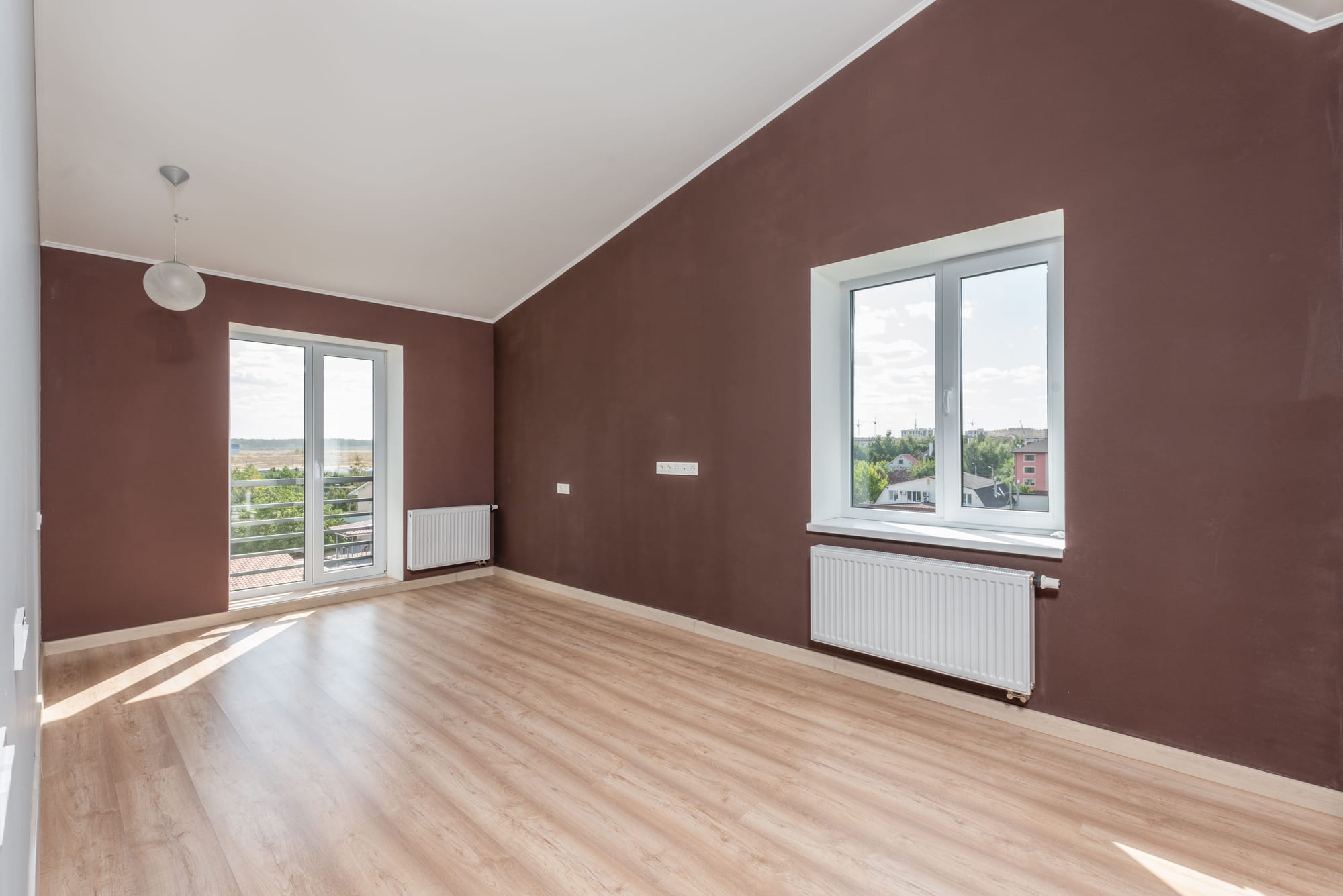
Empty rooms. No flooring down. No furniture to move, nothing to protect, nobody inconvenienced. Work that takes three days in an empty house takes five in a furnished one and needs far more care at the edges.
If you can, book it before you exchange. That few weeks is worth more than any negotiation with the site manager.
The warranty question
Your new build carries a structural warranty, usually ten years, and a developer defects period, usually the first two.
Third-party electrical work does not void the structural warranty. What it can do is give a developer a reason to decline a defects claim on something they say you touched. So:
- Get the developer’s written position before anyone starts.
- Keep your installer’s BS 7671 certificate and as-built documentation with the warranty paperwork.
- Do not let anybody drill into a wall before the developer’s service routes are known.
None of that is difficult. All of it is annoying to sort out afterwards.
What the standard-fit controls are worth
Very little, and this surprises people who paid extra for a “smart” spec.
The heating controls fitted as standard are the cheapest option that satisfied Building Regulations — commonly one or two zones and a programmer. That is not per-room control, and it is not presence-based setback, and it is not open-window cut-off. It is a timer with an app.
The good news is that the wiring behind it can often be reused, so upgrading is cheaper than starting from nothing.
Jack Jones
Director, Westgate Property Solutions · Loxone Silver Partner