
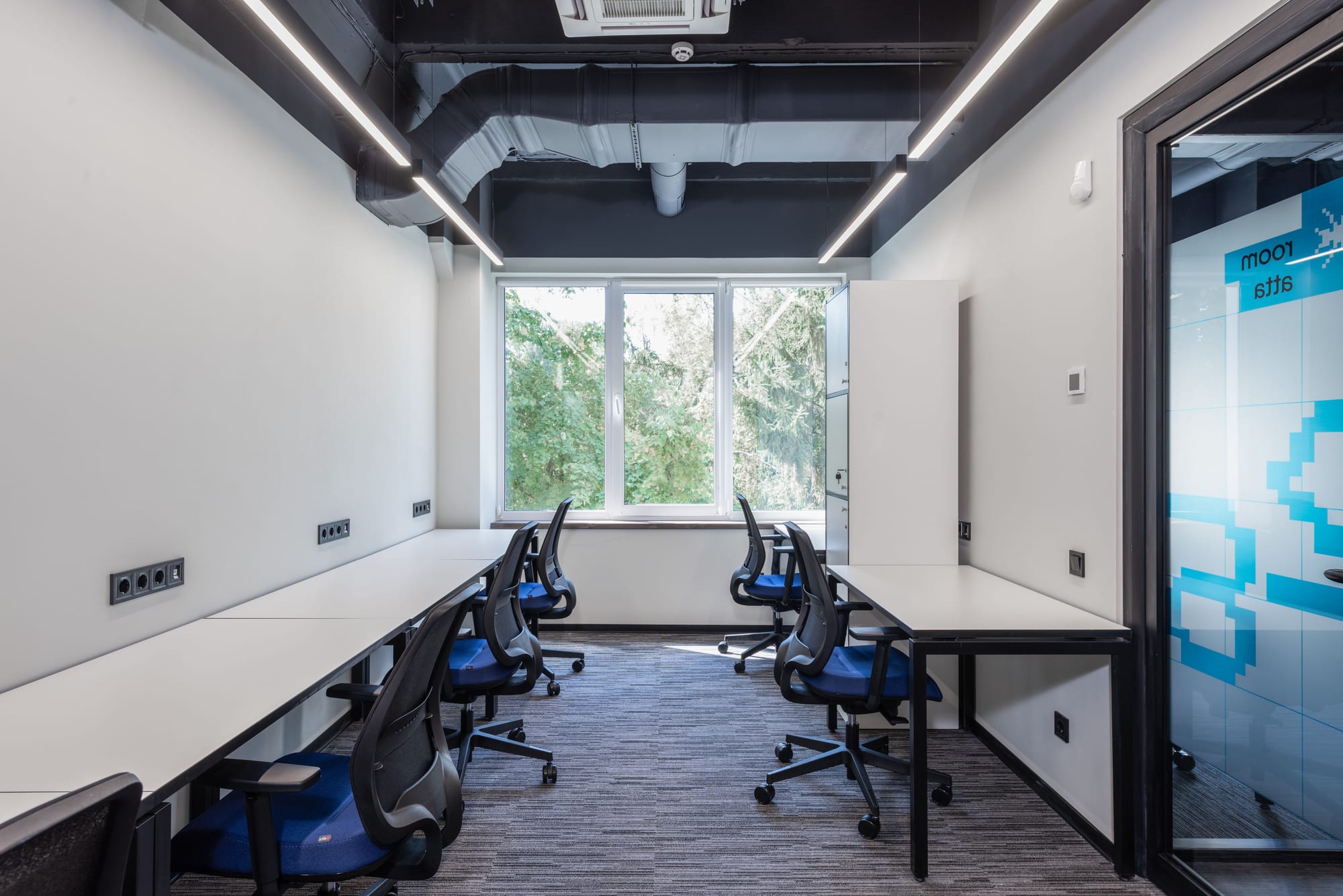
Offices · Salons · Clinics · Gyms · Retail
Building automation for small commercial premises, without a BMS contract.
Lighting control, HVAC scheduling, access control and energy monitoring for small commercial buildings across the East Midlands. The functionality of a building management system, without the maintenance contract.
Small commercial premises fall into an awkward gap. A full building management system is specified, priced and maintained for buildings an order of magnitude larger, and comes with an ongoing contract that rarely makes sense below a certain floor area. Below that, most buildings end up with time clocks, manual switches and an electric heater under somebody's desk.
What's included
- Occupancy and daylight-linked lighting control
- Zoned HVAC scheduling by area and by day
- Staff access control with per-person credentials
- Out-of-hours access logging
- Circuit-level energy monitoring and reporting
- Automatic out-of-hours shutdown
- Emergency lighting test scheduling where required
- Local operation — no per-device licence, no platform fee
From £4,500
ex-VAT, supplied, installed & commissioned
01 · What that costs
The result is predictable, and it is on your bill
Lights on in unoccupied areas all day. Heating and cooling fighting each other in the same open-plan space. A building conditioned from 6am on a Sunday because nobody has looked at the time clock since it was commissioned.
And no data at all about which of those is costing the most, so nothing ever gets fixed — there is nothing to point at.
- Lighting running in empty areas
- Heating and cooling working against each other
- Schedules nobody has revisited since handover
- No figures to argue with

02 · What we install
Residential-grade kit, scaled to commercial premises
Offices, clinics, salons, gyms, small retail and light industrial units. Occupancy-based lighting, zoned HVAC on real schedules, access control per staff member.
Circuit-level energy monitoring makes the running costs visible rather than inferred, so the next decision is made on numbers instead of a hunch.
- Occupancy and daylight-linked lighting
- Zoned HVAC scheduling by area and by day
- Access control with per-person credentials
- Circuit-level monitoring and reporting
03 · Ownership
No licence, no platform fee, no vendor dependency
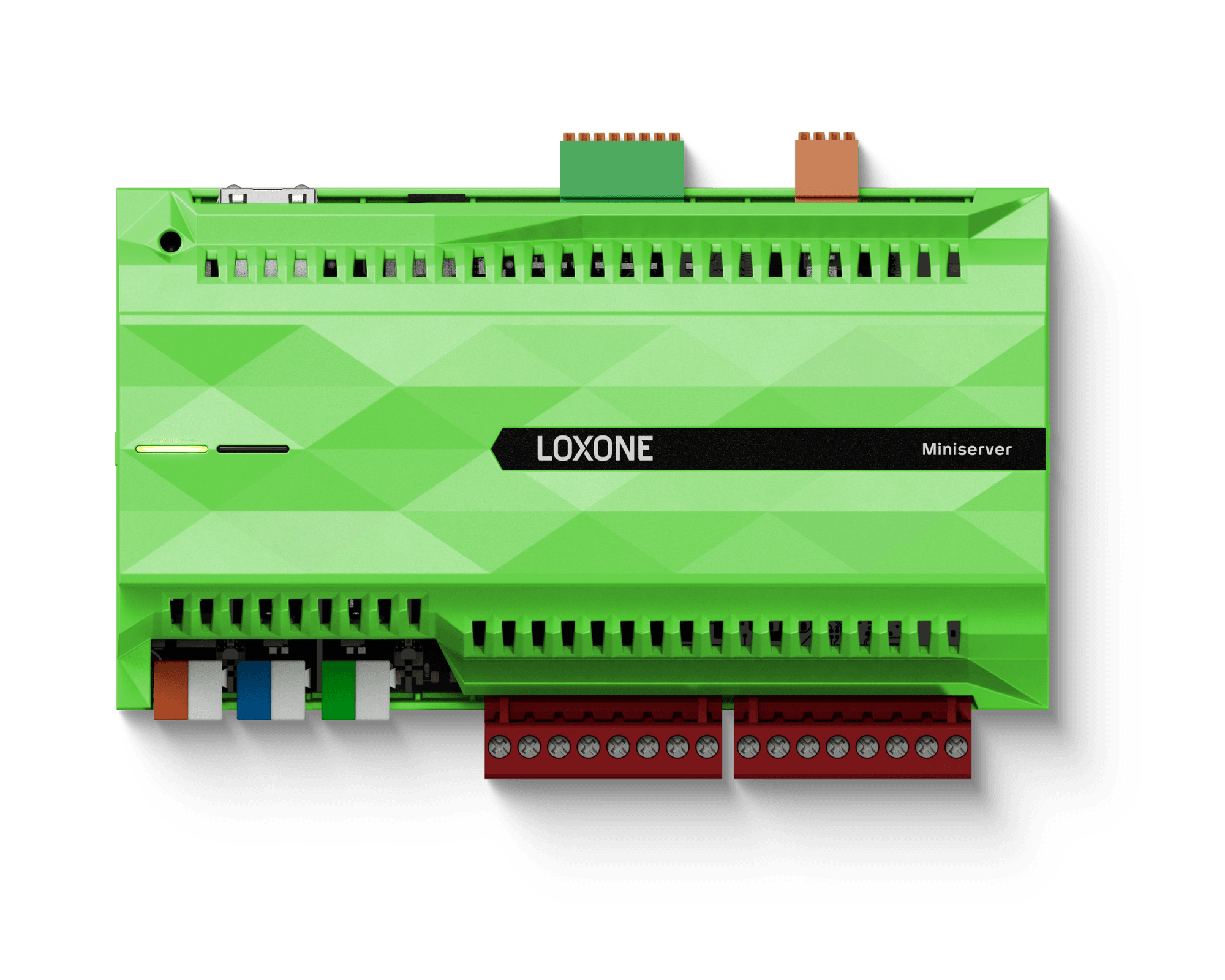
It runs locally on hardware you own outright. There is no per-device licensing, no recurring platform fee, and no dependency on a vendor's cloud still being commercially available in five years.
If you want us to maintain it we are glad to. But the building does not stop working if you would rather we didn't.
- Hardware owned outright, not licensed
- No recurring platform or per-device fee
- Runs locally — no cloud dependency
- Maintenance optional, not compulsory
Why it's worth doing properly
Commercial Building Automation, done once and done right.
No BMS maintenance contract
You own the hardware and the system runs locally. Support is available if you want it, not a condition of the building working.
Occupancy-linked lighting
Lighting follows actual occupancy and available daylight rather than a time clock nobody has revisited since commissioning.
HVAC on real schedules
Zoned by area and by day, so you stop conditioning an empty building on a Sunday morning.
Access per staff member
Individual credentials rather than a shared code, revocable the day someone leaves. Out-of-hours entry is logged.
Costs you can see
Circuit-level monitoring turns the energy bill into something itemised rather than a single number to argue about.
No licensing creep
No per-device fees and no recurring platform charge, so the running cost doesn't grow as the building does.

Certified installers, never sub-contracted
Same week
Site visit availability across the East Midlands
£0 / mo
No subscription, no cloud fees, ever
12 months
Parts and labour warranty on every install
Works best together
Related services
One Miniserver runs all of it. Most customers combine two or three of these rather than installing them as separate systems.
FAQ
Commercial Building Automation — common questions
What size of building is this suitable for?
How is this different from a building management system?
Can it control our existing air conditioning?
How much does commercial building automation cost?
What's the payback period?
Do you provide ongoing support?
Can it handle emergency lighting testing?
Where we work
Commercial across the East Midlands
Next step
Thinking about commercial?
Free site visit, fixed written quote within 5 working days. No obligation, and no pressure — if a full system isn't right for you we'll tell you.
Book a free site visit