
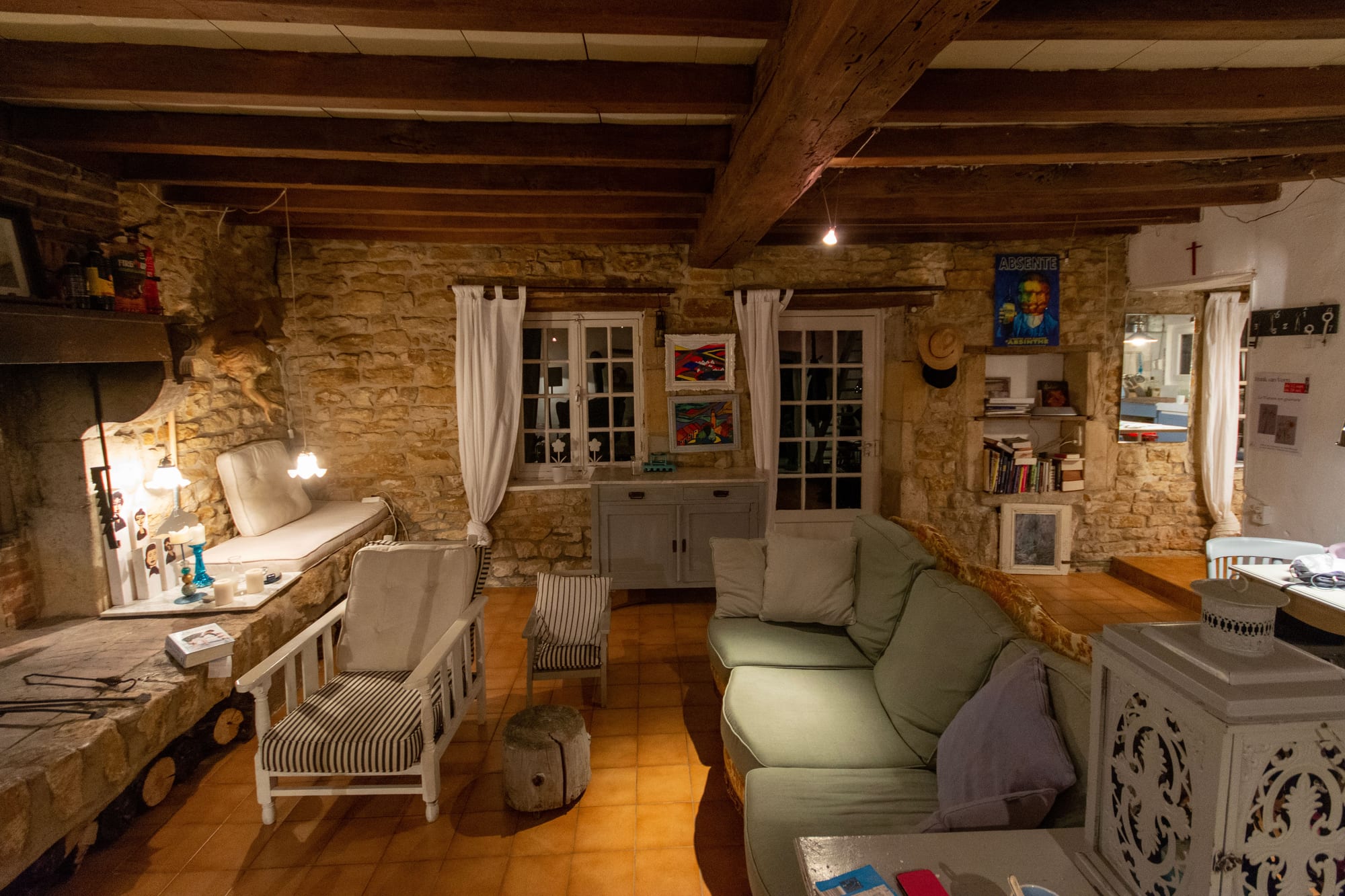
Airbnb · Serviced accommodation · Short-term lets
Holiday let automation: no key handovers, no heating left on for a week.
Self-check-in, expiring guest codes, energy limits and remote monitoring for short-term lets across the East Midlands. Stop driving over with keys and stop paying to heat an empty property.
Two things quietly erode the margin on a short-term let: the time cost of key handovers, and the energy cost of guests who have no reason to care about the bill. Automation deals with both, and it is one of the few smart-home cases where the payback is straightforwardly calculable rather than a lifestyle argument.
What's included
- Keyless entry with unique per-booking codes
- Codes that activate and expire automatically
- Cleaner and maintenance access on their own schedule
- Maximum and minimum heating setpoints
- Automatic setback between bookings
- Open-window heating cut-off
- Frost protection with remote alerting
- Remote status and occupancy visibility per property
From £1,950
ex-VAT, supplied, installed & commissioned
01 · Access
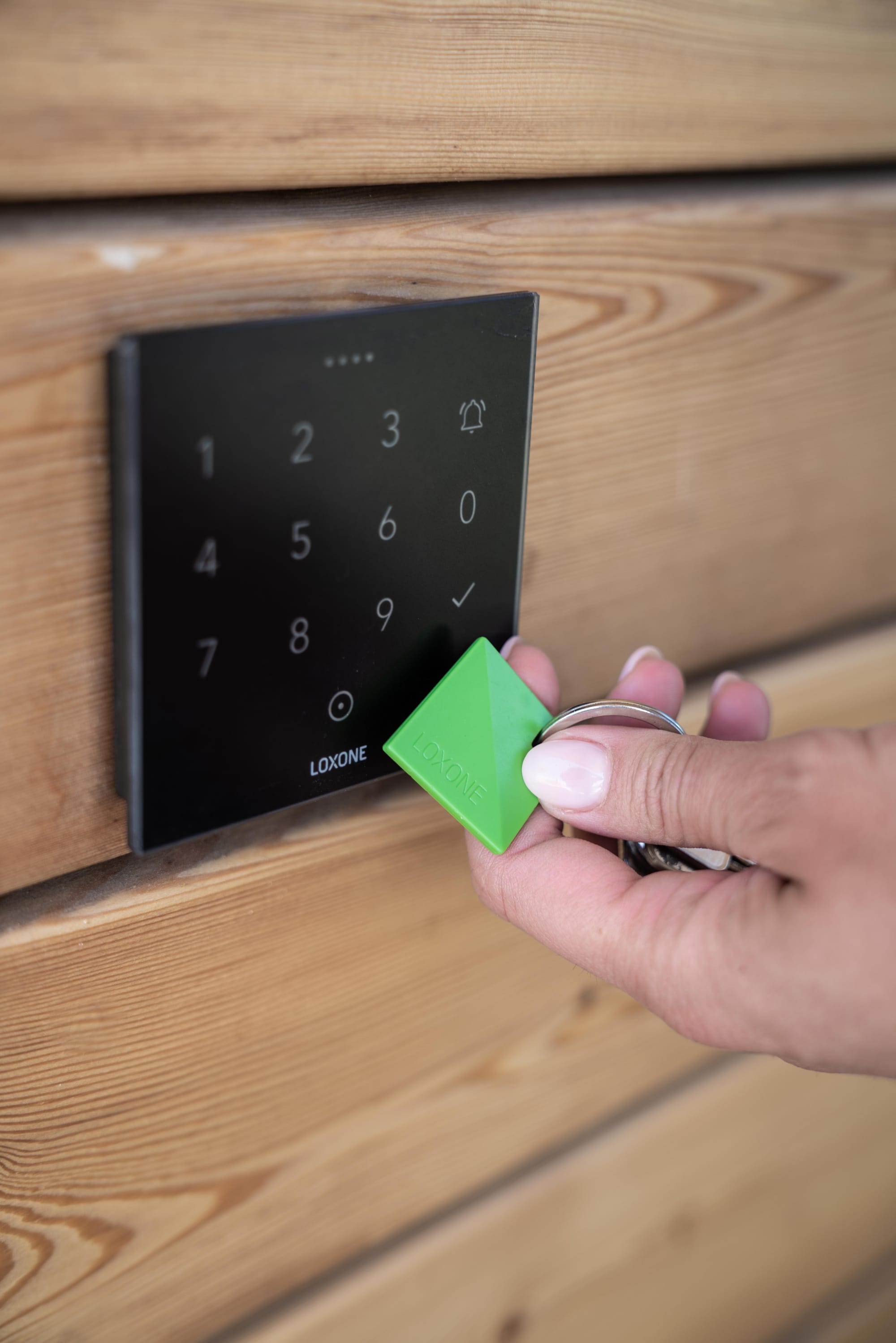
Self-check-in, with codes that expire on their own
Each booking gets a unique door code that activates at check-in and expires at checkout, issued automatically without anyone meeting the guest.
No key safe with a code that hasn't changed since 2022, no lockbox photographed and shared, no drive across town because a flight landed late. When the code expires, access ends — you are not trusting that keys came back.
- A unique code per booking, not a shared one
- Activates at check-in, expires at checkout
- Cleaners and maintenance on their own schedule
- No physical key to lose, copy or photograph
02 · Energy
Guests leave it at 24°C with a window open
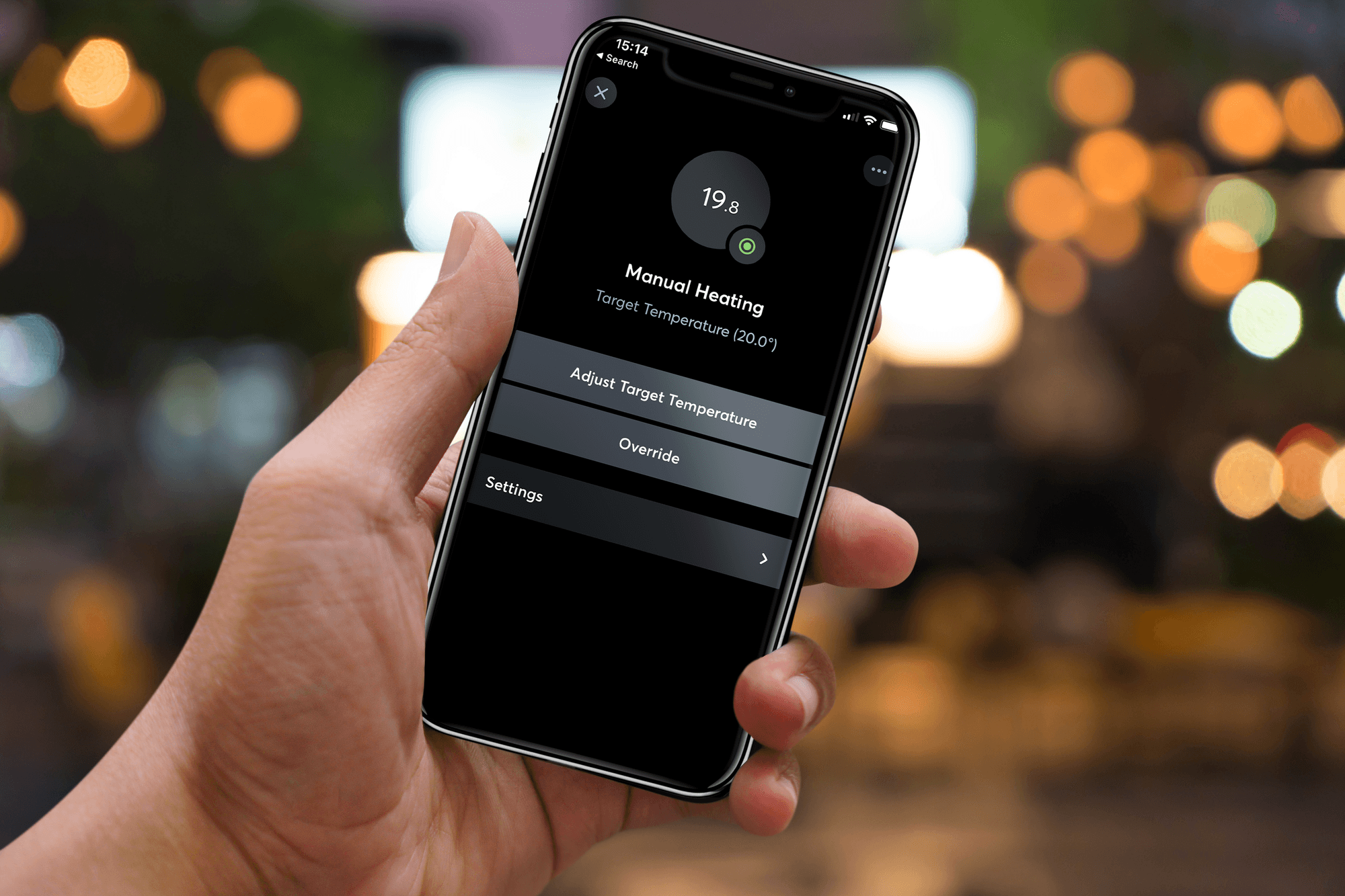
It isn't their money, so no amount of laminated notices will change it. Setting sane bounds does: a maximum setpoint, automatic setback when nobody is there, heating that stops when a window opens.
On a property let thirty or more weeks a year, that usually saves more annually than the automation costs. It is not about restricting comfort — it is about stopping the extremes.
- Maximum and minimum setpoints per property
- Automatic setback between bookings
- Open-window heating cut-off
- Comfort inside the bounds, nothing outside them

03 · Oversight
Knowing what is happening without being there
Occupancy and temperature visible remotely, an alert if a property drops toward freezing in January, a notification if something is still on after checkout.
For anyone managing more than one property, that visibility is worth as much as the savings — the January frost alert alone is cheaper than one burst pipe.
- Remote status and occupancy per property
- Frost alerts before the damage, not after
- Notification when something is left on
- One app across a portfolio, not one per house
Why it's worth doing properly
Holiday Let & Airbnb Automation, done once and done right.
No key handovers, ever
Codes issue automatically per booking and expire at checkout. No lockbox, no meeting late arrivals, no lost keys.
Access ends when the stay does
You don't have to trust that keys came back. When the code expires the guest simply no longer has access.
Bounded energy use
Sane maximum setpoints and automatic setback. Guests stay comfortable; the property stops being heated to 24°C with a window open.
Frost protection with alerts
An empty property drifting toward freezing in January notifies you before it becomes a burst-pipe insurance claim.
Scales across properties
One interface for a portfolio. Status, occupancy and temperature per property without visiting any of them.
Calculable payback
Fewer handover trips and lower standing energy costs. On a property let 30+ weeks a year this pays back rather than being a nice-to-have.

Certified installers, never sub-contracted
Same week
Site visit availability across the East Midlands
£0 / mo
No subscription, no cloud fees, ever
12 months
Parts and labour warranty on every install
Works best together
Related services
One Miniserver runs all of it. Most customers combine two or three of these rather than installing them as separate systems.
FAQ
Holiday Let & Airbnb Automation — common questions
How does self check-in work for guests?
Can I give the cleaner permanent access?
How much energy does this actually save on a let?
Will guests find it confusing?
Does it work across multiple properties?
Does it integrate with Airbnb or Booking.com directly?
What happens if the internet at the property goes down?
Where we work
Holiday lets across the East Midlands
Next step
Thinking about holiday lets?
Free site visit, fixed written quote within 5 working days. No obligation, and no pressure — if a full system isn't right for you we'll tell you.
Book a free site visit