
Solar divert · EV charging · Monitoring · Tariff shifting
Home energy management that spends your solar before it sells it.
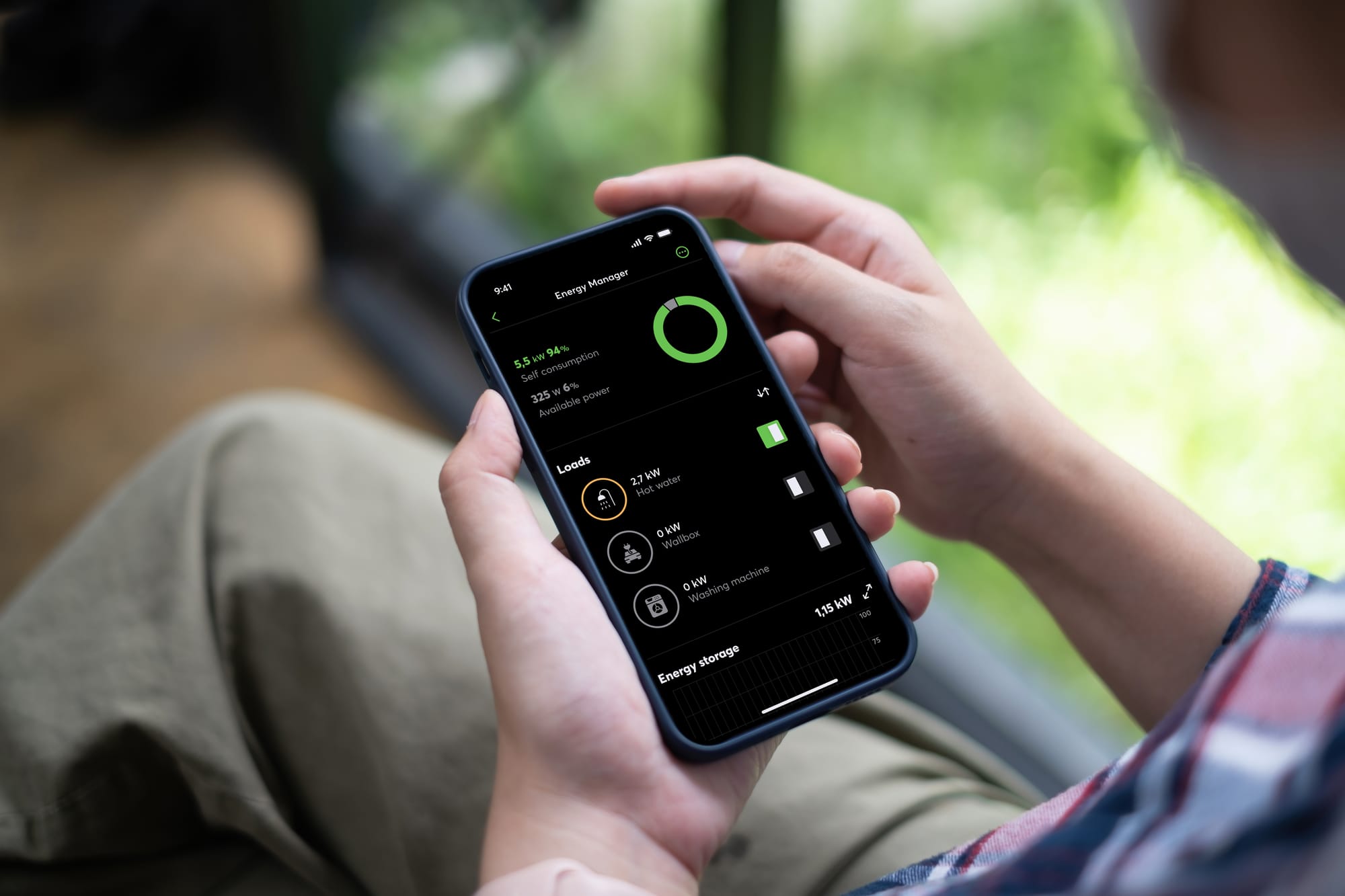
Energy monitoring, solar self-consumption, EV charge scheduling and tariff-aware load shifting across the East Midlands. See where it goes, then stop it going there.
Exporting solar to the grid pays a fraction of what importing costs. On most tariffs the gap is three or four to one, which makes self-consumption — using your own generation in your own house rather than selling it — the highest-return thing you can do with an existing array. The hardware is modest. The intelligence to decide what runs and when is the part that is usually missing.
What's included
- Circuit-level energy monitoring and logging
- Solar generation and export measurement
- Immersion / hot water solar divert
- EV charger integration and scheduled charging
- Surplus-solar EV charging where the car supports it
- Time-of-use tariff scheduling for shiftable loads
- Battery storage integration where present
- Consumption reporting per circuit in the app
From £2,200
ex-VAT, supplied, installed & commissioned
01 · Measure first
It is never what people assume it is
Circuit-level monitoring shows what actually consumes the energy. In practice it is usually the immersion, the EV, an old chest freezer in the garage, and standing losses nobody has ever looked at.
Once that is visible the decisions get much easier and a great deal less speculative. You stop guessing which change is worth making.
- Circuit-level monitoring and logging
- Solar generation and export measured separately
- Consumption reporting per circuit in the app
- Decisions made on figures, not hunches

02 · Then shift the load
Spend the generation before it gets sold
Surplus generation goes to the hot water cylinder before it goes to the grid. The EV charges on the cheap overnight window, or on surplus solar during the day if the car is home.
The heat pump runs its hot water cycle when generation peaks rather than at 6pm. On a time-of-use tariff that scheduling is worth real money without anyone changing what they do.
- Immersion / hot water solar divert
- Scheduled and surplus-solar EV charging
- Time-of-use tariff scheduling for shiftable loads
- Battery storage integration where present

03 · Why it keeps working
Nobody has to watch a dashboard
The point of automating energy is that the savings happen whether or not anyone is paying attention.
That is precisely why manual monitoring apps stop producing savings after about three weeks — the novelty goes, the habit goes with it, and the tariff carries on regardless.
- Decisions made by the system, not by you
- Savings that persist past the novelty
- Reporting there when you want it
- No daily attention required
Why it's worth doing properly
Home Energy Management, done once and done right.
Use it instead of selling it
Export pays a fraction of what import costs. Diverting surplus to hot water is usually the fastest payback on an existing array.
Charge the car on cheap rate
Overnight windows on Go or Intelligent tariffs, or straight from surplus solar when the car is home in the day.
See the real consumers
Circuit-level logging finds the immersion, the garage freezer and the standing losses. It's rarely what people expect.
Shift, don't sacrifice
Loads move to cheaper hours rather than being given up. Nobody has to take colder showers to see the saving.
Savings without attention
It's automated, so it keeps saving in month six. Monitoring apps stop working when people stop looking at them.
Battery-ready
If you have storage we integrate it; if you're considering it, the monitoring data tells you whether it's worth the money.

Certified installers, never sub-contracted
Same week
Site visit availability across the East Midlands
£0 / mo
No subscription, no cloud fees, ever
12 months
Parts and labour warranty on every install
Works best together
Related services
One Miniserver runs all of it. Most customers combine two or three of these rather than installing them as separate systems.
FAQ
Home Energy Management — common questions
What does a home energy management system actually do?
Is solar divert worth it?
Do I need solar panels for this to be worth doing?
Will it work with my EV charger?
Can it work with Octopus Agile or Intelligent?
How much does it cost to install?
Does it need an internet connection to save money?
Where we work
Energy & EV across the East Midlands
Next step
Thinking about energy & ev?
Free site visit, fixed written quote within 5 working days. No obligation, and no pressure — if a full system isn't right for you we'll tell you.
Book a free site visit