

HMOs · Student lets · Portfolio landlords
Automation that pays for itself on a tenanted property.
Keyless entry per tenant, bounded heating, void-period protection and remote visibility across a portfolio. Built for properties where you pay the bills and someone else adjusts the thermostat.
The economics of a tenanted property are different from a family home, and so is the specification. Where bills are included — as they usually are in an HMO or a student let — you are paying for heating nobody has any incentive to moderate. Where they are not, you are still carrying the void periods, the lock changes, the key handovers and the call-outs.
What's included
- Per-tenant keyless entry with codes that expire
- Contractor and cleaner access on their own schedule
- Maximum heating setpoints to cap bills-included waste
- Automatic setback in unoccupied rooms and during voids
- Open-window heating cut-off
- Frost protection with remote alerting
- Per-property and per-room energy visibility
- Portfolio dashboard across multiple addresses
From £2,200
ex-VAT, supplied, installed & commissioned
01 · The largest line
Heating nobody is paying for directly
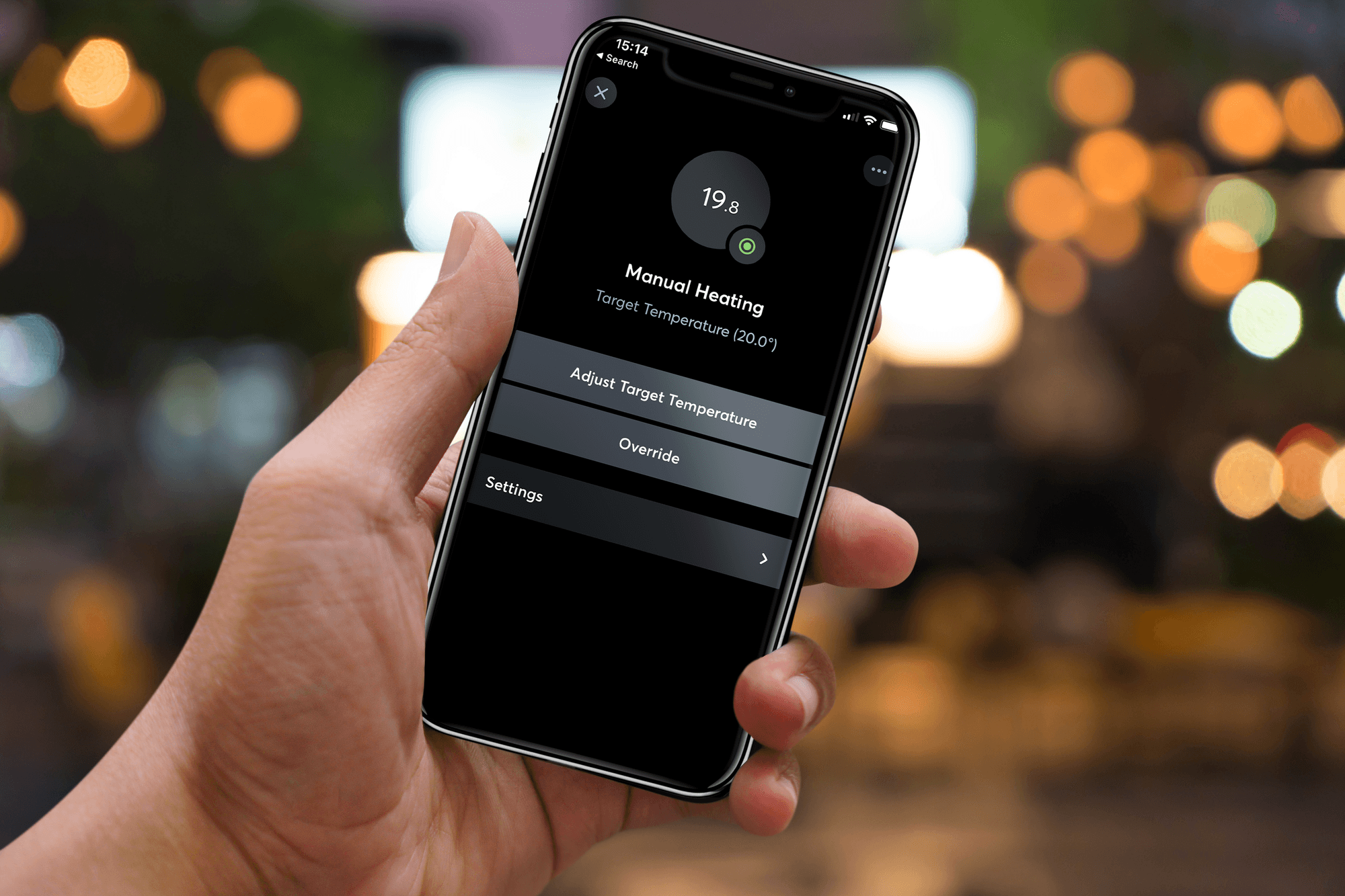
A maximum setpoint stops a property being held at 25°C with a window open. Automatic setback in unoccupied rooms and during voids stops empty bedrooms being heated to the same temperature as occupied ones.
None of it makes tenants cold. It removes the extremes, and it does so without anyone having to police behaviour or send another email about the thermostat.
- Maximum setpoints to cap bills-included waste
- Setback in unoccupied rooms and during voids
- Open-window cut-off on the most common waste
- No behaviour policing required from you
02 · The largest time cost
No cutting keys, no lock changes, no midnight call-outs
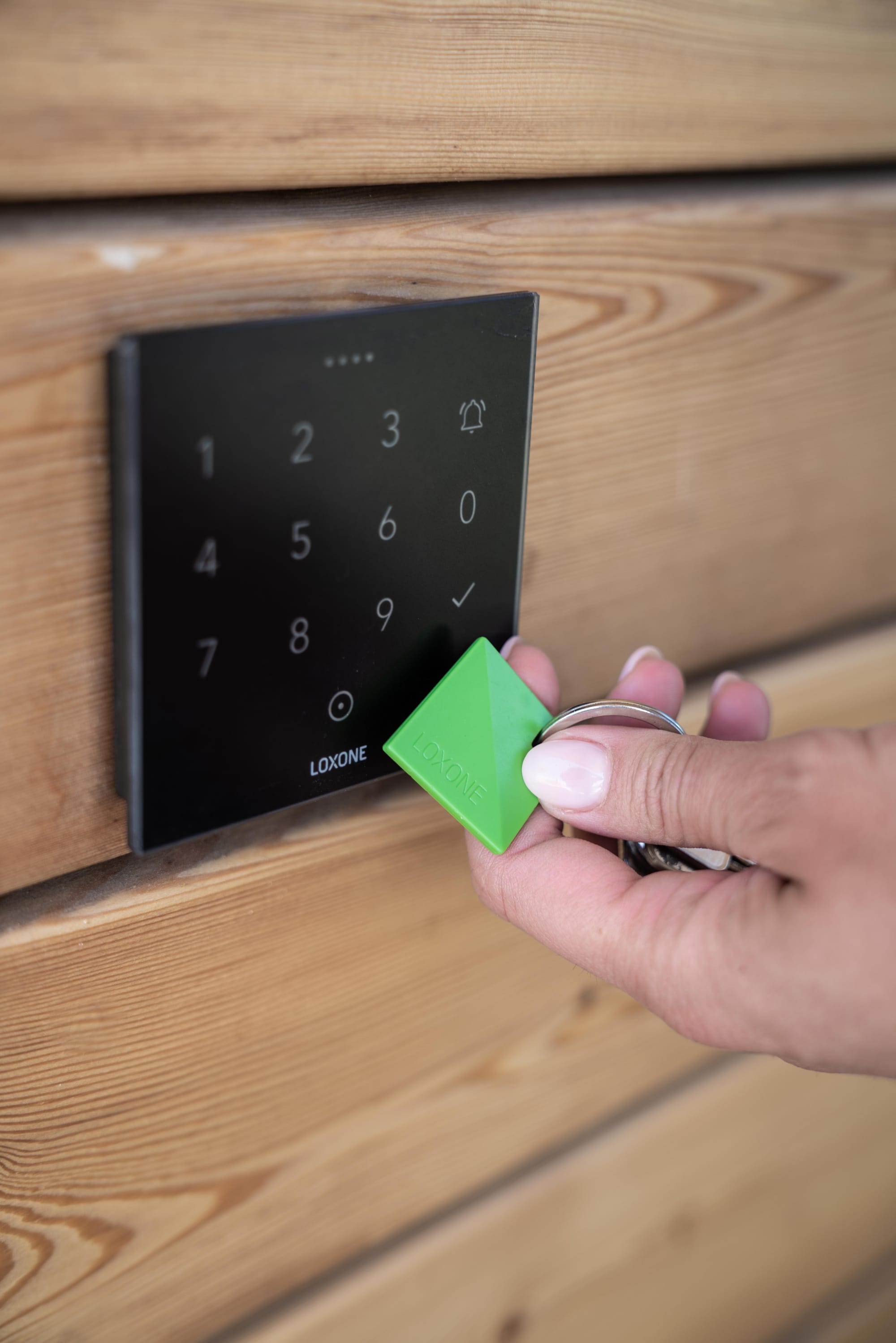
Per-tenant codes are issued the day a tenancy starts and expire the day it ends. Contractors and cleaners get their own, valid only when they should be there and revocable instantly.
For an HMO with high turnover this alone often justifies the installation, before a single unit of gas is saved.
- A code per tenant, expiring with the tenancy
- No lock changes between tenancies
- Contractor access that switches itself off
- Instant revocation when something goes wrong
03 · Across a portfolio
The reason landlords fit the second and third property
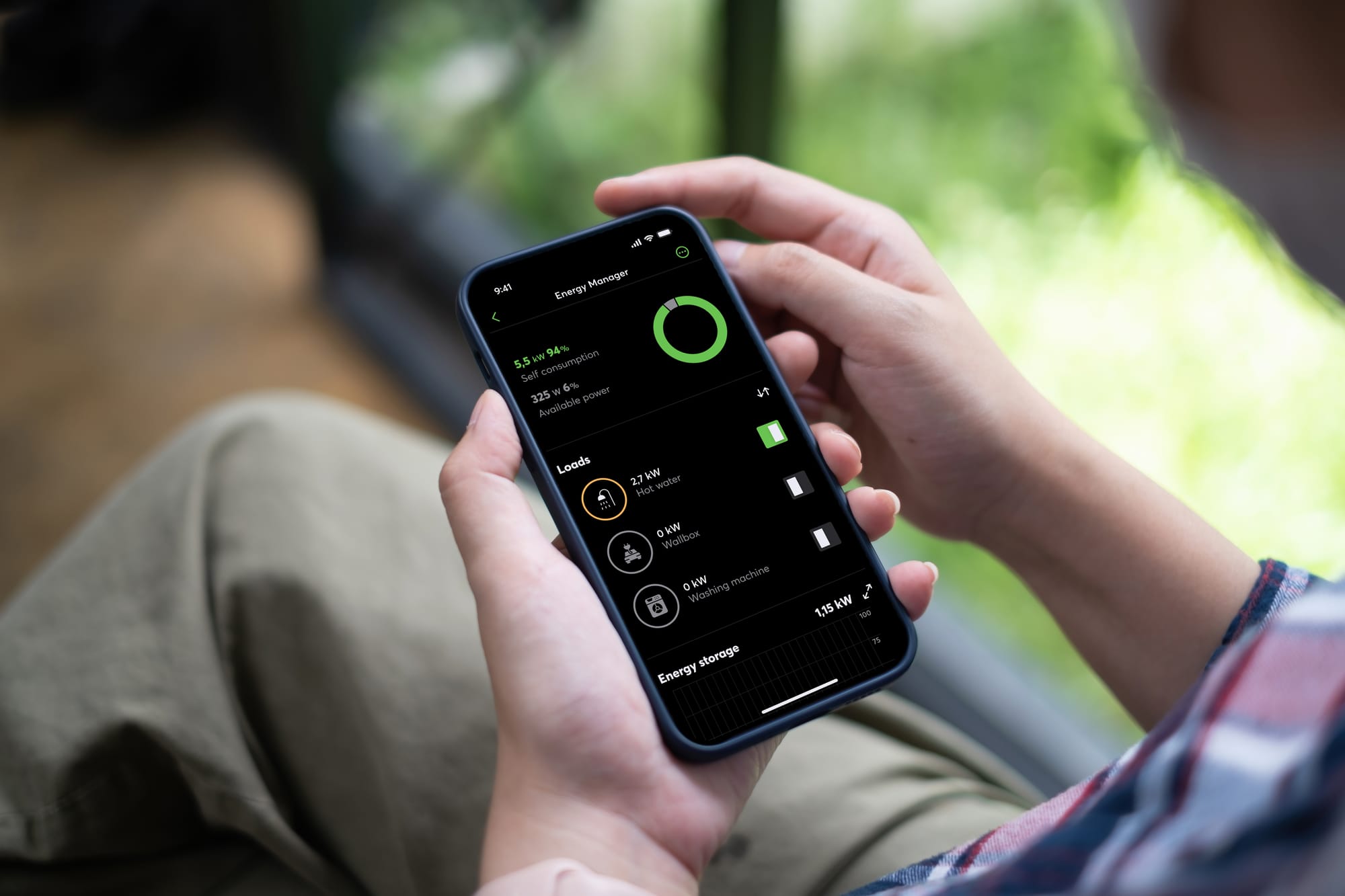
Temperature and occupancy visible per property, a frost alert if an empty house drifts toward freezing in January, a notification if heating is running in a room nobody has entered for a fortnight.
Most landlords tell us the portfolio view is what sold them on doing it again — one screen instead of six unanswered questions.
- Per-property and per-room energy visibility
- Frost alerts before the burst pipe
- One dashboard across multiple addresses
- Cheaper per property as the portfolio grows
Two compliance points worth flagging
HMOs have specific licensing, fire safety and electrical inspection requirements that vary by council, and automation changes none of them. Your EICR obligations and fire alarm specification are unaffected by anything here.
Any monitoring must respect tenants' right to quiet enjoyment. We do not fit cameras or microphones inside let accommodation, and we would advise disclosing environmental monitoring in the tenancy agreement.
Why it's worth doing properly
Landlord & HMO Automation, done once and done right.
No more lock changes
Codes issue at tenancy start and expire at the end. No key cutting, no lock changes, no midnight lockout call-outs.
Bills-included, bounded
A maximum setpoint stops properties being held at 25°C with the windows open. Comfort stays; the extremes go.
Voids stop costing
Empty properties fall back automatically instead of running the same schedule they did when tenanted.
Frost alerts before the claim
An empty house drifting toward freezing notifies you while it's still a phone call, not a burst-pipe insurance claim.
Cheaper per property at scale
The portfolio view is what landlords keep. Cost per property falls as you add the second and third.
Tenant-appropriate by design
No cameras or microphones inside let accommodation. Environmental monitoring only, disclosed in the tenancy.

Certified installers, never sub-contracted
Same week
Site visit availability across the East Midlands
£0 / mo
No subscription, no cloud fees, ever
12 months
Parts and labour warranty on every install
Works best together
Related services
One Miniserver runs all of it. Most customers combine two or three of these rather than installing them as separate systems.
FAQ
Landlord & HMO Automation — common questions
How much can automation save on a bills-included HMO?
Can each tenant have their own door code?
Can I stop tenants turning the heating up to 25 degrees?
Does this affect my HMO licensing or EICR obligations?
Can I monitor tenants?
Will it help with damp and mould?
Does it work across several properties?
Where we work
Landlords & HMO across the East Midlands
Next step
Thinking about landlords & hmo?
Free site visit, fixed written quote within 5 working days. No obligation, and no pressure — if a full system isn't right for you we'll tell you.
Book a free site visit