
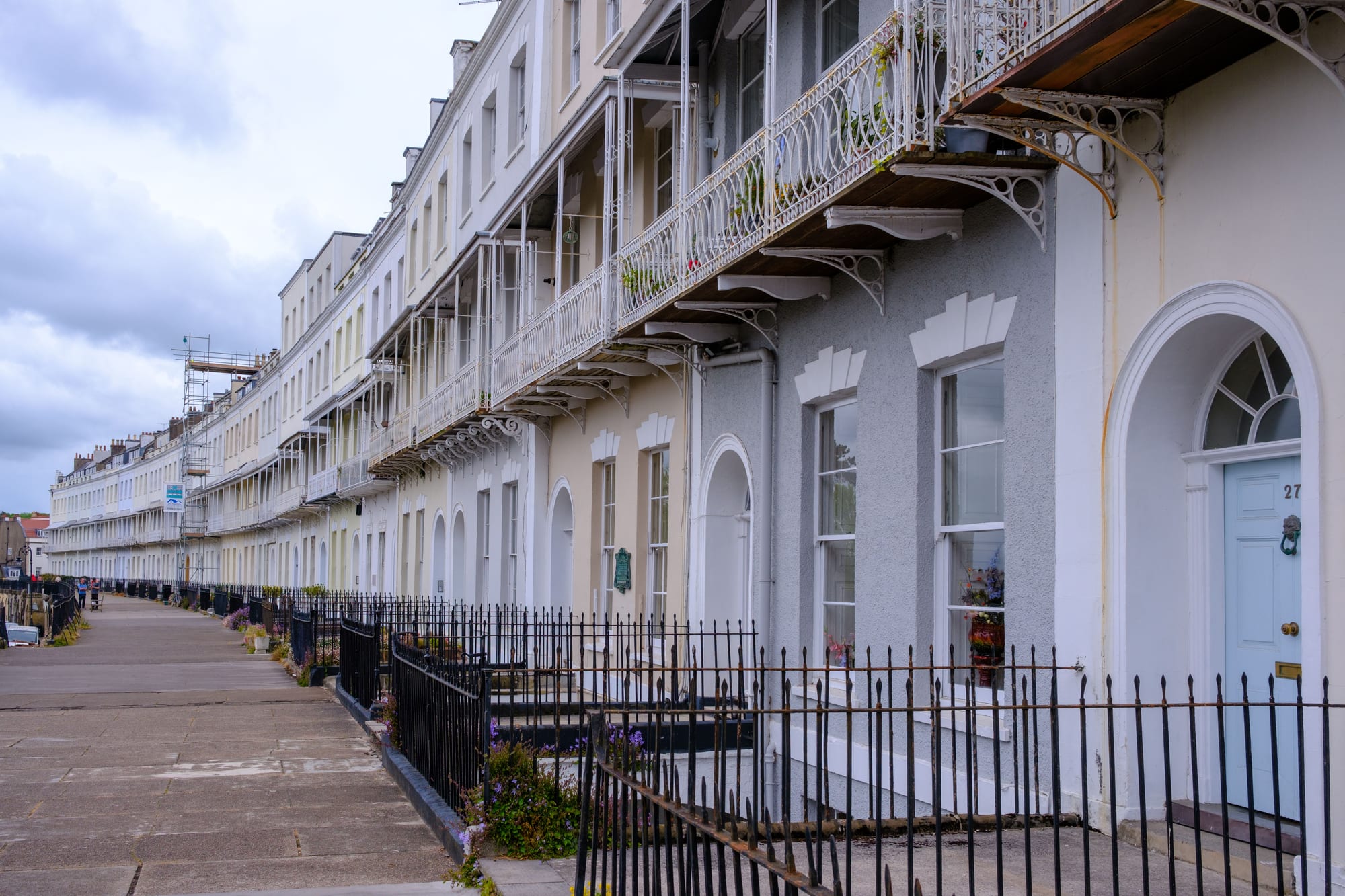
Listed buildings · Conservation areas · Period homes
Modern control in an old building, without damaging what makes it old.
Automation for period and listed properties across the East Midlands. Routed through existing voids, switched with sympathetic hardware, and specified around what the building and its consents will actually allow.
Period properties are usually better candidates for automation than people expect. The constraint is almost never whether it can be done — it is doing it without leaving marks on a building that took two hundred years to acquire its character. That shapes every decision below: where cable runs, how many plates end up on a wall, and what we won't do without consent.
What's included
- Survey of viable cable routes through existing voids and chases
- Sympathetic switch plates in appropriate finishes
- Layered lighting design suited to high ceilings and large rooms
- Switched circuits that need no additional wall hardware
- Per-room heating control for solid-wall thermal behaviour
- Humidity and temperature monitoring for fabric protection
- Minimal-intervention approach, following prior disturbance
- Design adjusted to whatever consents permit
From £9,000
ex-VAT, supplied, installed & commissioned
01 · The structure
The building is usually on your side
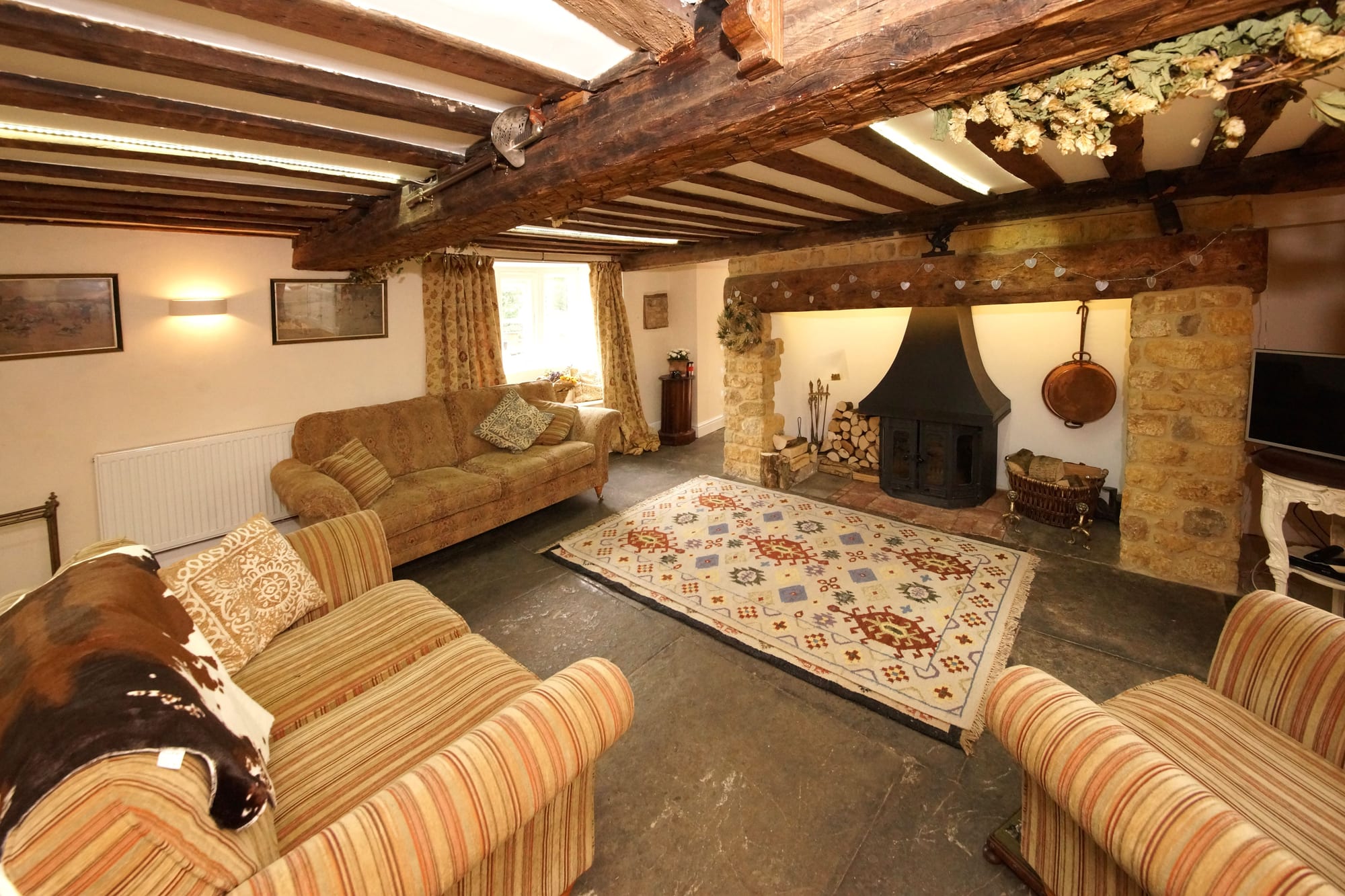
Suspended timber floors, generous ceiling voids, deep skirtings and existing chases give cable routes that a modern solid-floor house simply does not have. The houses that feel most intimidating are often the most straightforward once you know where to look.
The genuinely difficult cases are solid ground floors with no void above, and rooms with ornate plasterwork you would not want to disturb. Both get identified at survey, before anything is quoted.
- Existing voids and chases carry most of the cable
- Routes follow what previous work already disturbed
- Awkward rooms flagged at survey, not mid-install
- No new chases through historic fabric where a route exists

02 · Restraint
The failure in a period house is visual, not technical
A bank of six modern switch plates on a Georgian wall, a sensor in the middle of a decorative ceiling, trunking following a cornice. That is what goes wrong, and none of it is a technology problem.
So the approach is fewer control points doing more, in finishes that suit the room — aged brass, antique bronze, painted and metal. A single well-placed control replacing four separate switches usually improves a wall compared with what is already on it.
- One control point doing four jobs
- Switch plates in period-appropriate finishes
- Nothing sited on decorative plaster or joinery
- Fewer plates than the house has today, not more
03 · Lighting
Where these houses gain the most
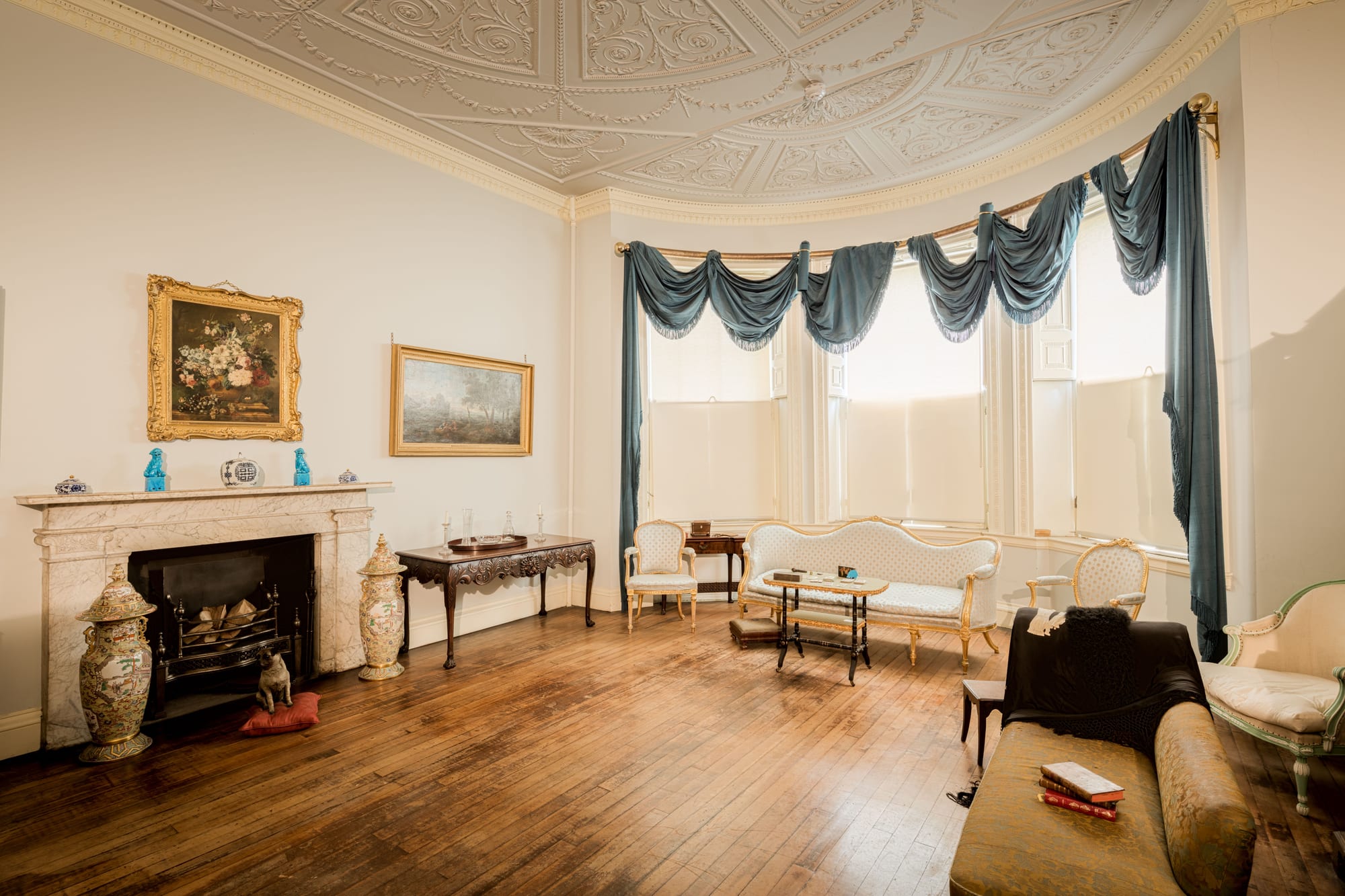
High ceilings and large rooms are badly served by a single pendant. The layered approach — table and floor circuits switched from the wall, picture and feature lighting, low-level for the evening — suits a period interior far better than brightness does.
It also means less visible hardware, not more: a switched socket circuit needs no wall plate at all.
- Table and floor lamps switched from the wall
- Picture and feature circuits for the evening
- Switched sockets add nothing to the wall
- Scenes replace a row of dimmers

04 · Heating
One hallway thermostat cannot describe this house
Solid walls, single glazing where it cannot be changed, and rooms that behave very differently from one another make a single thermostat particularly unsuitable.
Per-room control lets you heat the rooms you use to comfort and hold the rest at a sensible background level. That matters for the building fabric as much as for the bill — large temperature swings and cold spots are what encourage damp and condensation, and per-room humidity logging shows you where they are.
- A target per room, not one for the whole house
- Background heat in unused rooms protects the fabric
- Humidity and temperature logged room by room
- Shutters or blinds closing at dusk cut glazing losses
If your property is listed, read this before you plan anything
Listed building consent can be required for internal alterations — including work you might assume is minor, such as chasing walls or altering historic joinery. Requirements vary considerably by property and by local authority, and in a conservation area an Article 4 direction can bring further work into scope.
Obtaining consent is the owner's responsibility. We design to work within whatever your conservation officer permits, and we will tell you when something we would normally do is likely to need permission — rather than proceeding and hoping nobody asks.
Why it's worth doing properly
Period & Listed Property Automation, done once and done right.
Better routes than modern houses
Suspended timber floors and deep ceiling voids give cable paths a solid-floor new build simply doesn't have.
Fewer plates on the wall
One control point doing four jobs, in a sympathetic finish. The usual period failure is visual clutter, not technology.
Lighting that suits the room
Layered table, picture and feature circuits flatter a period interior in a way a bright ceiling pendant never will.
Heating for solid walls
Rooms in these houses behave very differently. Per-room control beats one hallway thermostat by a wide margin.
Protects the fabric
Humidity and temperature logging catches the cold spots and swings that lead to condensation and damp.
Honest about consents
We'll tell you when something likely needs listed building consent rather than proceeding and hoping nobody asks.

Certified installers, never sub-contracted
Same week
Site visit availability across the East Midlands
£0 / mo
No subscription, no cloud fees, ever
12 months
Parts and labour warranty on every install
Works best together
Related services
One Miniserver runs all of it. Most customers combine two or three of these rather than installing them as separate systems.
FAQ
Period & Listed Property Automation — common questions
Can you install automation in a listed building?
Will it damage the building?
Are period houses harder to retrofit than modern ones?
Do the switches have to look modern?
Can automation help with damp in an old house?
What about single glazing and heat loss?
How much does it cost in a period property?
Where we work
Period & listed across the East Midlands
Next step
Thinking about period & listed?
Free site visit, fixed written quote within 5 working days. No obligation, and no pressure — if a full system isn't right for you we'll tell you.
Book a free site visit